
Spark Curiosity, Connection, and Leaning in the Garden
In this section, we share strategies for making time in the garden hands-on and meaningful for young learners.
> Encourage students to carefully observe and tend to plants as living things—watering gently, checking the soil, and noticing new growth or changes in the garden space.
> Use the garden as a place to explore big ideas in simple ways: how seasons guide what we plant and harvest, how insects and worms help our plants grow, and how every action—saving seeds, composting scraps, conserving water—helps care for the garden ecosystem.
> Keep the experience hands-on and wonder-filled: invite observation, celebrate small discoveries, and help students see themselves as stewards of the natural world.
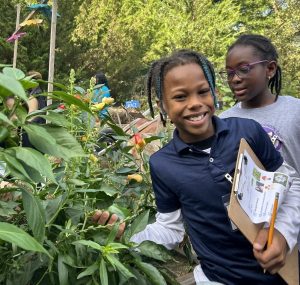
As students dig, plant, and observe, they develop excitement and curiosity about the natural world—wondering what will sprout next, or which pollinators will visit a blooming flower.
With time spent outdoors, students grow comfortable in natural spaces, learning to move confidently and respectfully through the garden. As they practice using basic tools safely and effectively, they build independence and a sense of confidence.
Over time, garden learning cultivates environmental stewardship and patience—teaching students that growth (both for plants and us!) takes care, attention, and time.
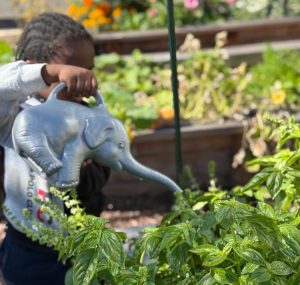
> Give students real jobs and real tools: Empower students by trusting them with meaningful garden tasks such as planting seeds, tearing up old plants, weeding, or turning compost. Using real, child-safe tools (trowels, hand-rakes, scissors) helps students feel capable and responsible, and builds confidence through real-world work.
> Allow students to observe and wander: Encourage unstructured exploration time in the garden. Let students notice details—the movement of insects, the smell of soil after watering, the changing colors of leaves. This freedom invites curiosity and personal connection to nature. You might encourage students to slow down as they make detailed observational drawings of something they notice in the garden – using thick black pens and cardstock on a clipboard makes for beautiful drawings.
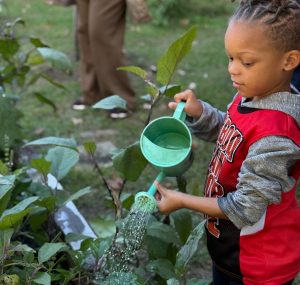
> Watering and tasting are student favorites: Make time for sensory experiences that bring joy. Many students love the soothing rhythm of watering plants with watering cans or old yogurt containers with small holes poked in the bottom. Students also love tasting herbs like mint and parsley, snapping off a piece of broccoli to taste, and biting into cherry tomatoes right off the vine. These moments create strong, positive memories of being in the garden.
> Harvest produce then cook it: Make the clear connection between garden and kitchen by having students harvest produce, then wash it, and then use this produce from the garden to prepare and eat a recipe. Experiencing the full journey from plant to plate makes all the difference in students’ willingness to be open to tasting new, nutritious foods.
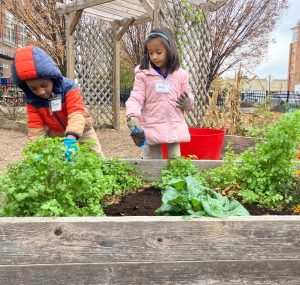
The foods we grow locally change with the seasons—juicy tomatoes ripen in summer, crisp apples appear in fall, hearty root vegetables thrive in winter, and tender greens flourish in spring. When we eat with the seasons, we enjoy produce at its freshest and most flavorful while learning how the time of year shapes what’s available locally. Understanding seasonality in the garden helps students connect to how and when our food grows, and the natural rhythms that guide what we eat throughout the year.
> To introduce students to the theme of seasonality, you can:
- Show them a seasonality calendar (this one is specific to the Mid-Atlantic Region) and discuss which fruits and vegetables are ready to eat in each season and think together about why.
- Play this video as an introduction to the concept that plants we grow in the garden change with the seasons.
- Make a seasonal garden plan using a seasonality chart – students can choose a few different fruits and vegetables to draw that they would want growing in their garden in each season.
- Chat about the weather each season, then ask students to use their imaginations to illustrate what they think the garden looks like in each season.
The following lessons – and sample investigations – are focused on exploring and learning in the garden:
Goodbye Winter, Hello Spring: The purpose of this PreK lesson is for students to explore the differences between winter and spring gardens and the food they produce. Students observe the size, shape, color, and weight of winter vegetables; plant spring seeds and seedlings; and use seed catalogs to plan a spring garden. We have a great video that supports educators in teaching this lesson.
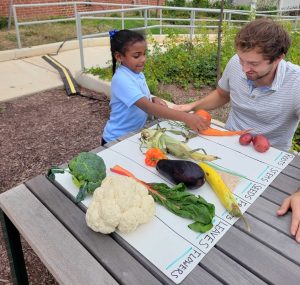
- Explore Winter Vegetables: Students can explore a variety of winter vegetables, including winter squash, carrots, beets, winter radishes, sweet potatoes, turnips and apples, by sorting and organizing the vegetables in a number of different ways: by size, by weight, with or without roots, etc. Students can experiment with rulers and a scale, or draw pictures of the produce.
The Winter Garden: The purpose of this 1st grade lesson is for students to understand seasonality – that different plants grow in different seasons. Students carefully observe the school garden in winter and build their own seasonality chart based on the plants that are available at different times of year. They will also read seed packets in order to make a planting plan for the school garden.
- Observing the Winter Garden: Walk with students through the school garden and facilitate a discussion on what they see during the winter and what will change with the next season. Ask students if they can identify any signs of life in the garden or if they think there might be life that
is not visible. You can probe further by asking students to consider: What is growing? What might be hiding in the soil, including animals, plants and fungi? How could we make the garden more productive in the winter? - Take a moment to check on any winterizing that you have done in the garden, such as row cover, low tunnels, cloches, or greenhouses. If you do not have any of these things, you may want to share photos of them or introduce the concepts by describing and discussing ways to keep growing food through the colder times of the year.
Growing with the Seasons: The purpose of this 3rd grade lesson is for students to review the concept of seasonality, to learn that the food that grows in our garden changes with the seasons, and to understand why grocery stores are able to sell all foods throughout the year. Students sort recipes by season, enjoy sampling spring produce from the garden, and write poems about a favorite vegetable.
- Tasting Our Garden: Walk through the garden and let students taste some of the herbs and vegetables that are ripe. Students can also make an observational drawing of an edible plant in the garden and include plant part labels. While in the garden, students can also search for and harvest some ingredients needed to make a recipe(s).
You don’t need to have a huge garden or lots of time each day to teach garden skills and help your students gain comfort outdoors. Here are some quick ideas and activities for getting your students outdoors:
- Take a walk through the garden
- Design a quick garden-based scavenger hunt
- Give students time to dig and explore the soil
- Provide students with a few seeds to plant
- Fill watering cans for students to water the garden
- Harvest some herbs or leafy greens (or other easily harvested produce) growing in the garden with students, and then taste them together
If you do not have an outdoor space or it is too cold or rainy to go outside, you can bring the garden indoors!
> Quick Activities:
- Plant seeds in seed trays and then put them on a windowsill or under grow lights and observe their growth over time
- Make seed tape (“How to Make Seed Tape” on page 8 of the lesson, Measuring for Mulch)
- Add food scraps to an existing class worm bin to create compost for the garden
- Flip through seed catalogs and cut out images of fruits and veggies the class would like to grow
> Activities that require more preparation:
- Explore the option of hydroponic gardening at your school: this is great for exploring, harvesting, and tasting herbs and greens any time
- Explore the option to create and care for Vermicomposting (worm composting) Bins. Students can explore worms and support by placing appropriate food scraps in the worm bin and general worm bin care. (“How to Build a Worm Bin” on page in the lesson, Compost Stew).