Every Peach Is a Miracle: Why This Year’s Harvest Looks Different
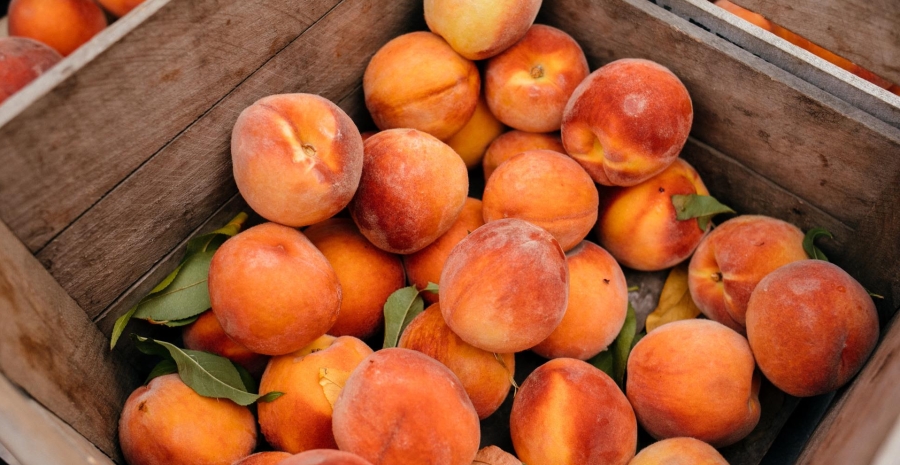
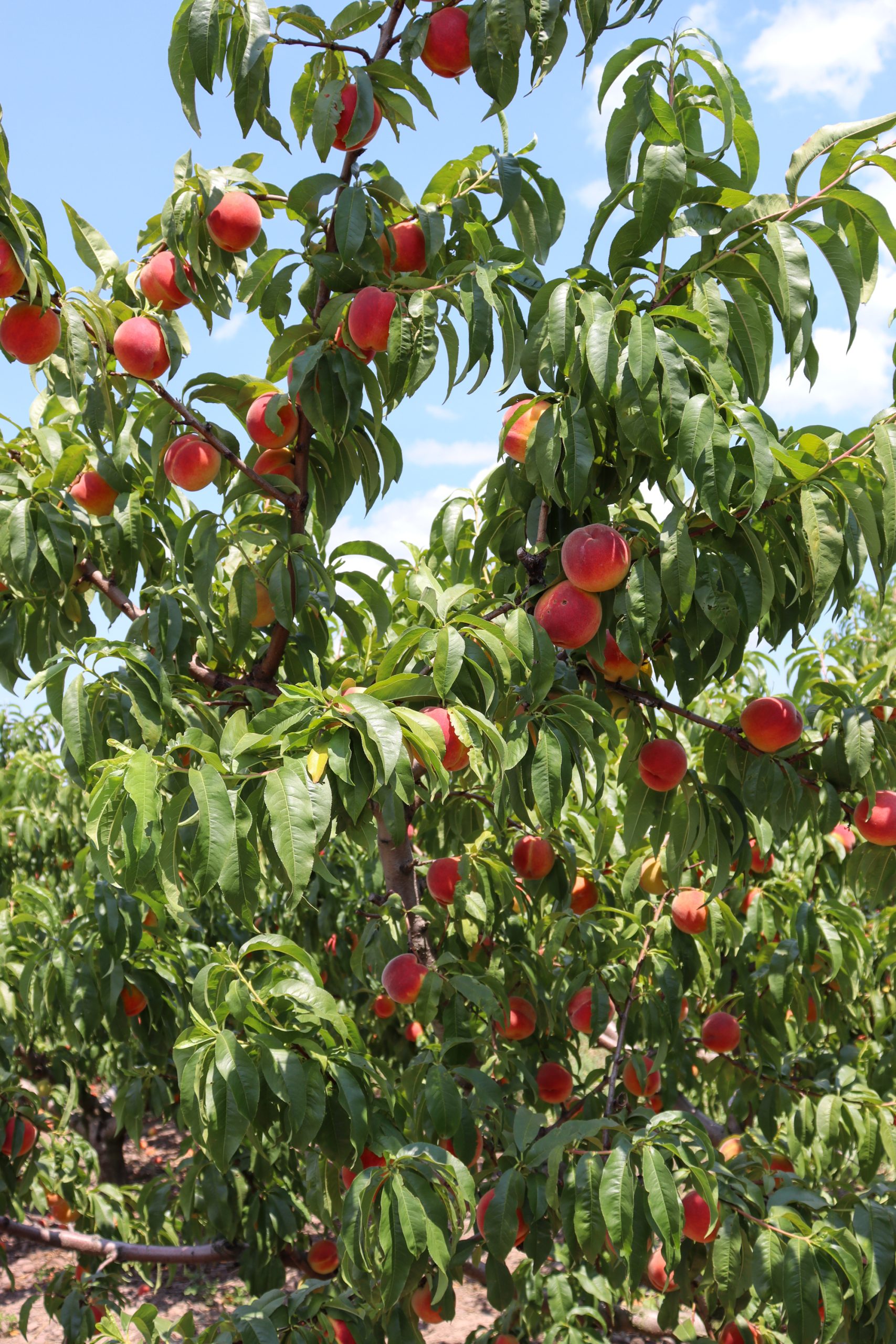
For many Mid-Atlantic shoppers, peach season is the most anticipated moment of the summer. After months of waiting, orchards’ tables begin filling with fragrant, sun-ripened stone fruit.
While peach season has now arrived, it does look a little different this year. Peaches and other tree fruit were among the crops most affected by the unseasonable freeze last April, when many blossoms and early fruit perished on the trees. Yields are significantly down, and the damage was widespread in the Mid-Atlantic region. In a letter to members of Congress, Pennsylvania Governor Josh Shapiro explained that industry and research partners “estimate revenue losses of approximately $150 to $200 million for [Pennsylvania] growers.”
Orchards Transformed Overnight
While the damage was widespread, it wasn’t uniform. Some orchards lost nearly their entire crop, while others escaped with portions of their harvest intact. A newsletter from Three Springs Fruit Farm (Asper, PA) to their community of eaters explained, “the temperatures, the wind speed, wind direction, the facing of the slope — a million variables” decided the fate of their fruit.
For Three Springs Fruit Farm, those variables proved unforgiving. The farm reports that its peach trees will produce 15% of their expected fruit this season. With so few peaches to harvest, they’re unable to offer pre-orders, bulk purchases, seconds, or even guarantee that peaches will be available from week to week. Instead, they’ve encouraged their loyal customers to embrace the rest of the farm’s harvest. Three Springs asks that shoppers “purchase [other produce] and nourish yourselves and your loved ones as you’ve always done at our market stand.”
Adapting to an Extraordinary Season
Not every orchard in the FRESHFARM network has enough fruit to bring to market this year. Some growers experienced total or near-total losses of key tree fruit crops. To meet the needs of these growers in the wake of this climate event, FRESHFARM has relaxed its producer-only rules this season, allowing network farmers to resell other farmers’ fruit on a case-by-case basis.
In order for farmers to resell fruit, FRESHFARM will require third-party verification of damage, a site visit by our staff, and confirmation of which crops the farmer will be reselling and for what dates. These arrangements will provide needed support to farmers who have experienced disastrous crop loss as a result of this climate event AND safeguard the producer-only value and brand that FRESHFARM seeks to uphold.
Isaac Frazier of Frazier Fruit Farm in Biglerville, Pennsylvania knows that challenge firsthand. The April freeze wiped out both his earliest and latest peach varieties, leaving significant holes in the season. Through FRESHFARM’s reselling agreement, he was able to bridge those gaps until his mid-season peaches were ready. He noted that choosing to resell is just as difficult as managing his reduced inventory. “I can’t be sure of the taste, the ripeness, or the quality of the product I’m purchasing to resell,” Isaac explained. Buying peaches at wholesale prices in this low-supply season is also costly and challenging for a farm of his size. “I’m certainly low in the pecking order” of players in the wholesale market, he chuckled. Fortunately, Frazier’s mid-season peaches have now arrived at market, allowing Isaac to return to selling fruit grown on his own farm.
Growing in an Unpredictable Climate
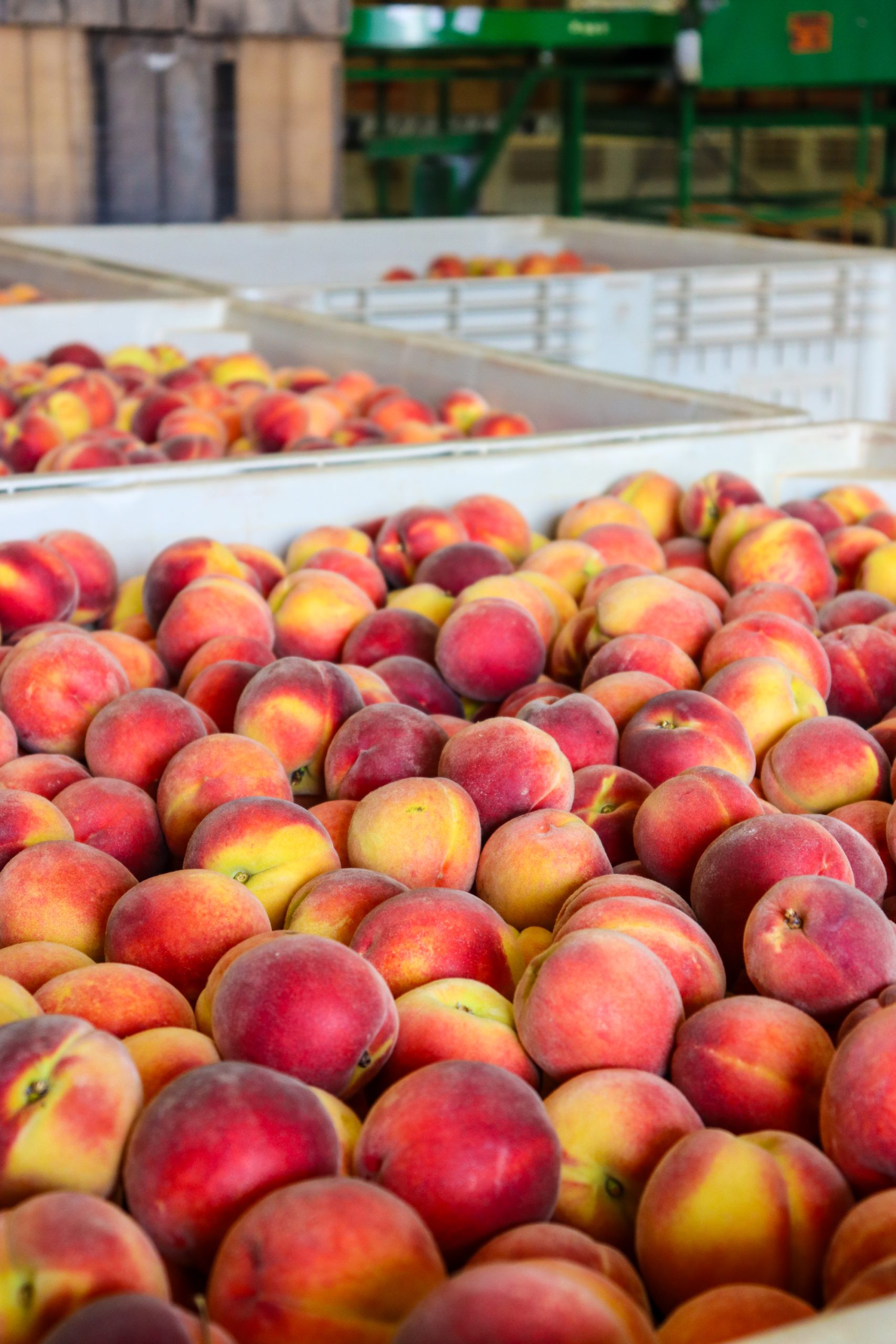
As climate events become more frequent, perennial crops become more vulnerable and uncertain for growers. Isaac’s advice to other farms is to “diversify your crops and sell directly.” Growing a variety of crops helps farms spread risk when one harvest falters. Selling directly to customers gives small farms stronger margins and creates relationships that help shoppers understand the realities behind each season’s harvest. When you can know the story behind the food you’re buying, you’re often more willing to support farms through difficult years by purchasing whatever is abundant, rather than only what you came looking for.
So if you have the pleasure of eating a local peach this summer, know that its appearance at market is a realization of years of tree care, farmer expertise, and a very lucky turn with some extreme weather when it was just a blossom this past spring. Purchase peaches when you see them and know that you are supporting a local business through an unprecedentedly challenging growing season and getting the most delicious fruit of the year. In the words of Samin Nosrat, “every peach is a miracle,” and we should make sure to treat them as such.