Nine Farmers Market Myths, Debunked
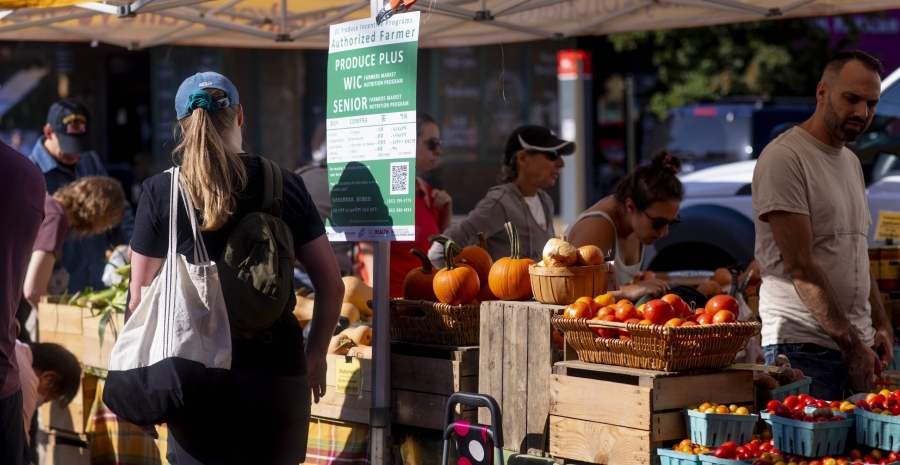
In FRESHFARM’s nearly three decades of operating farmers markets, we’ve heard the same handful of misconceptions again and again: that farmers markets are too expensive, that shoppers won’t find what they’re looking for, or that markets only serve certain people and certain neighborhoods. National Farmers Market Week — an annual celebration of the role farmers markets play in the food system — is the perfect moment to set the record straight.
Myth One: Prices at farmers markets are always higher than the grocery store
It depends on the item and the season. For certain items, farmers markets can be cheaper than grocery stores, especially in the organic sections. When new seasonal crops first show up, like the first asparagus or tomatoes of the season, prices can be higher — but they tend to come down as more of the crop becomes available. At the peak of summer, vine-ripened tomatoes, fresh corn, and sweet peaches are often cheaper at farmers markets than at grocery stores, and they’ll taste better and last longer.
The expensive perception can also come down to selection bias. “People tend to notice and remember the $12 artisan jam or foraged mushrooms, not the $2/lb potatoes or head lettuce, which can go for just a few dollars,” explains Senior Market Manager Katie Wolffe. “You’re also not obligated to buy premium value-added products. Buy what makes sense for your budget and meal planning.”
Myth Two: All farmers markets are producer-only
Since FRESHFARM’s founding with the debut of the Dupont Circle market in 1997, our farmers markets have been “producer-only,” meaning everything sold is grown or made by the people selling at the market. However, this isn’t the case at all farmers markets; some allow stands to resell food they haven’t grown or made themselves. The best way to know what kind of market you’re shopping at is to ask! Most farmers markets have an info tent with staff who can answer your questions, and you can also ask farmers and producers directly whether they grew or made what they’re selling.
Myth Three: Farmers markets are only in affluent neighborhoods
Farmers markets in affluent neighborhoods tend to get more attention and media coverage, which skews public perception of where markets are located, who attends, and what they cost. In reality, there are farmers markets and farm stands throughout the DMV. FRESHFARM believes access to high-quality local food shouldn’t be limited by income or zip code, so we operate 25 farmers markets and farm stands across a range of neighborhoods and settings: bustling lunchtime urban markets, sprawling weekend suburban markets, small neighborhood gems, robust farm stands in Wards 7 and 8, and everything in between.
Myth Four: Farmers markets are bad for people on a budget and inaccessible to people on nutrition benefits
Most farmers markets in the United States now accept SNAP/EBT and other nutrition benefits. Many also offer matching programs that effectively double the purchasing power of food assistance dollars, making them one of the better values for stretching a grocery budget, not a worse one. The FRESHFARM FreshMatch program provides a dollar-for-dollar match on all federal benefits spent at market, up to $30 per person per day. FreshMatch is available at all 25 of our farmers markets and farm stands, as well as 15 partner markets throughout the DMV.
FRESHFARM also manages Produce Plus for DC Health, a DC food access program that gives qualifying shoppers $40 a month, June through November, to spend on local produce at over 50 farmers markets, mobile markets, and farm stands across the District. “Produce Plus gives shoppers the dignity of choice, allowing them to select what they want and what’s culturally appropriate for their household. Benefits are loaded onto a digital card, removing much of the stigma associated with using the benefit,” explains Food Access Director Nick Stavely.
Myth Five: Small farms can’t meet food safety standards like big producers can
Longer supply chains mean more hands, more opportunities for contamination, and less transparency. Small-scale, direct-to-consumer farms shorten that journey from field to plate, cutting out processing and distribution steps that add risk before produce reaches you. “Small and mid-sized farmers follow federal and state rules to produce safe, high-quality food,” notes FRESHFARM Executive Director Cat Oakar. “At the farmers market, you can ask the farmer how they plant and harvest their food and what steps they take to keep it safe. That’s not something you can do at the grocery store.”
Myth Six: Everything at the farmers market is organic
Just because farmers market foods are sold outside doesn’t mean they are organic! Only foods produced according to the USDA organic standards can display the organic seal. Some farmers indicate that they use organic methods or that their food is organically grown, but without certification, they cannot use the organic label or claim their food is organic. One of the major benefits of shopping at a farmers market is that you can ask the farmer directly about how they grew their food — farmers are proud of their work and want to share with you! If you have questions about growing practices, you can and should ask the farmer while you are at the market. Want to learn more common food terms? Check out our Words to Eat By glossary.
Myth Seven: You can’t get enough variety to actually do your weekly shopping there
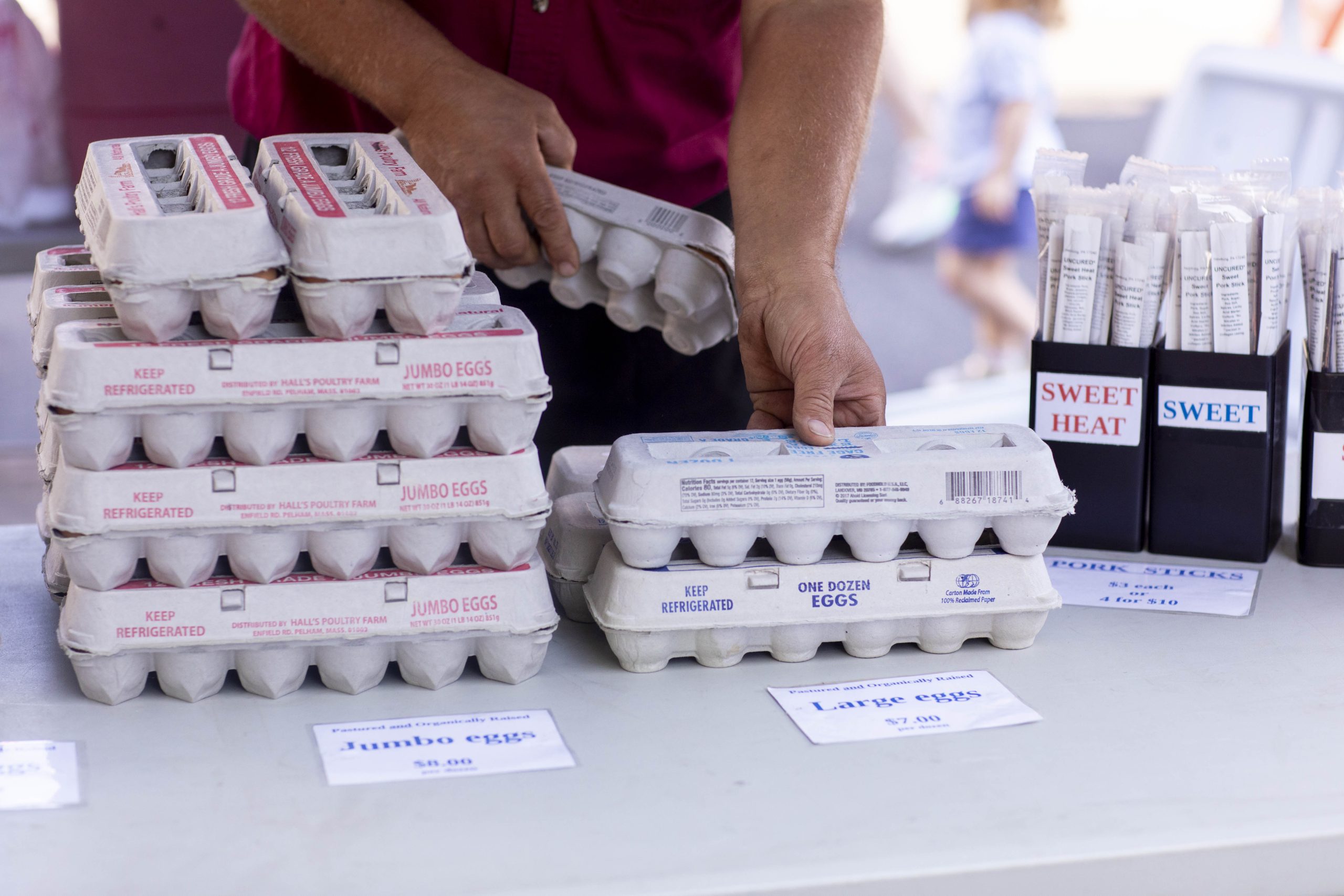 You’ll certainly find peak-season produce at farmers markets, but larger markets offer a wide range of goods, including pasture-raised meat and eggs, creamline milk and farmstead cheese, artisan breads and baked goods, local honey and small-batch jams, freshly roasted coffee, regional grains, and prepared foods and more. “If you’re looking for a mango or a pineapple, you won’t find them at a FRESHFARM farmers market because they don’t grow in our region! But at most of our markets you can shop every category of food: fruits, vegetables, and also dairy, meat, and snacks. Even an amazing prepared meal to heat up after work,” says Katie Wolffe.
Myth Eight: Farmers markets are just a niche trend
They’re actually one of the oldest forms of commerce, predating supermarkets by centuries, and they serve a wide range of communities today. “Farmers markets offer a timeless alternative to a modern conventional food system that relies on long supply chains and big-box stores,” notes Katie Wolffe. “Farmers markets endure because they offer consumers delicious food, give farmers economic opportunities, connect individuals and build community, and improve food access for all.”
Myth Nine: Shopping at farmers markets doesn’t really help the local economy much
Money spent at farmers markets recirculates locally at a notably higher rate than money spent at chain retailers, since farmers reinvest in local labor, land, and supplies rather than sending profits to a distant corporate headquarters. “FRESHFARM markets deliver economically,” explains Katie Wolffe. “In 2025, our farmers markets and farm stands generated $30.4 million in sales for 237 farmers and food producers. That’s $30.4 million that community members invested in strengthening the local foodshed, preserving farmland, and creating a resilient and equitable local food system.”