
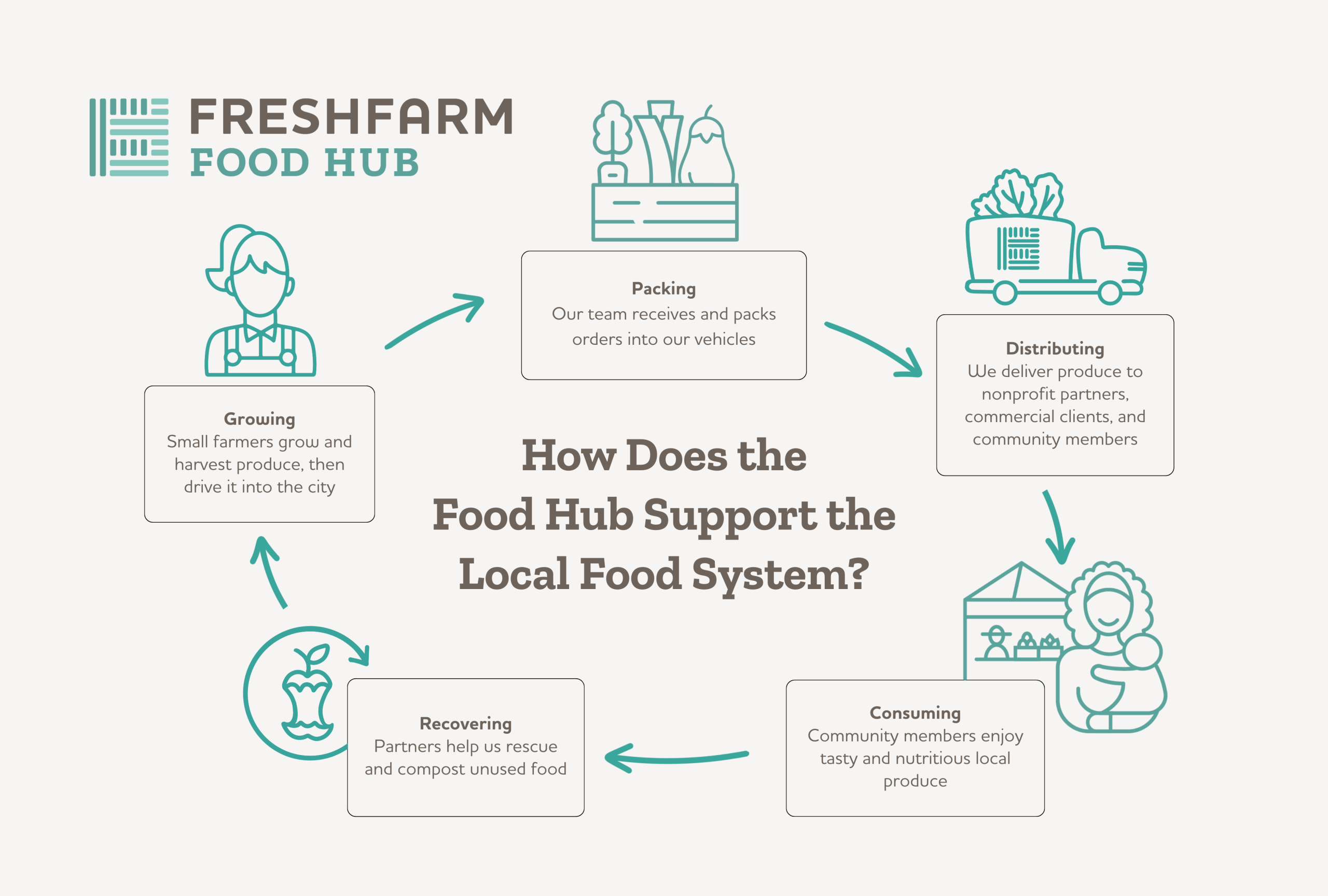
The FRESHFARM Food Hub is a nonprofit food hub and food distributor with two key missions: (1) to support small- and mid-sized local farmers in the Mid-Atlantic region, especially farmers of color, and (2) to address food access and food security disparities in the Washington, DC region.
Buy Local Produce With Us:
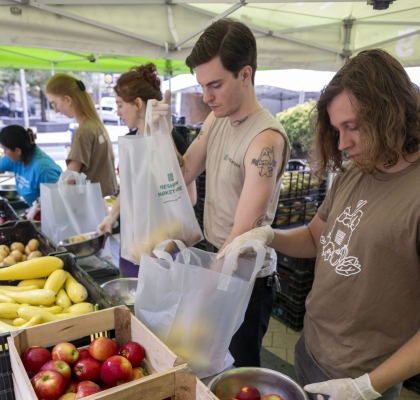
Community Food Access Partners (Nonprofit Organizations & Schools)
We prioritize mission-driven nonprofits whose work addresses food security or improves access to fresh, local food for underserved communities. Qualifying organizations are eligible for our community rate: wholesale pricing and no minimum order.
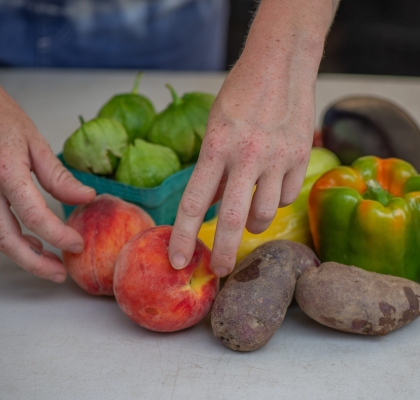
Commercial Partners (Restaurants, Caterers & Businesses)
Restaurants, caterers, and other for-profit businesses can source locally grown food through the FRESHFARM Food Hub while supporting a more equitable local food system. Commercial partners are invoiced at our standard rate.
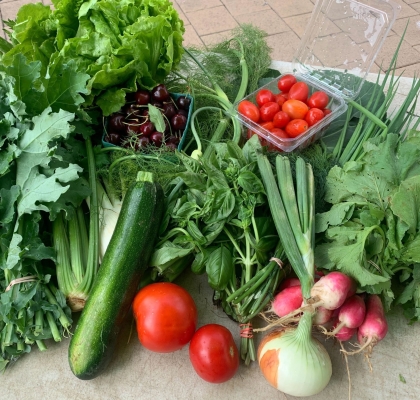
Individuals & Families
Our Market Share offers hand-packed bags of seasonal fruit and vegetables in Personal and Family sizes, with flexible weekly pick-ups at your local FRESHFARM market.
Who We Work With:
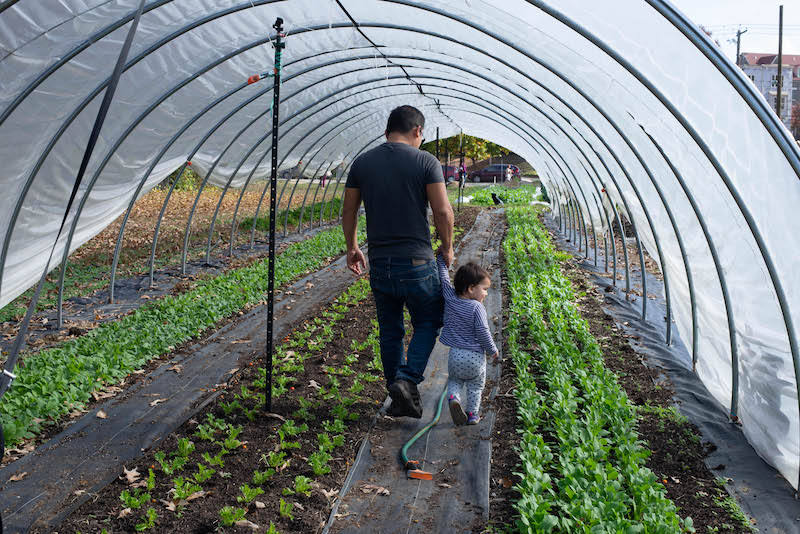 We source from farmers who: Are small and mid-sized, grow within 200 miles of Washington, DC, and have been historically underrepresented — including farmers of color, first-generation farmers, and women-owned farms.
We work with partners who: Have traditionally been excluded from wholesale channels — like early childcare centers, senior centers, and health clinics — and who share our commitment to making fresh, local produce accessible to the communities that need it most.
To learn more about this innovative model and how it works, please read the 2023 Food Hub Case Study. You can also donate to support this work.
The Food Hub connects farmers from Pennsylvania to Virginia with community organizations, schools, and restaurants committed to feeding their communities well. This impact would not be possible without our incredible partners and farmers, who work hard to strengthen our local food system. We honor them with our annual Local Food Champion Awards.
2025 Local Food Champion Awards
2024 Local Food Champion Awards
Food Hub 2025 Impact
The Food Hub generated more than $1.2 million in revenue for the local small- and mid-sized farmers in our network, helping Mid-Atlantic farmers increase their sales and grow their businesses
The Food Hub partnered with 26 nonprofit organizations to deliver locally grown food to 89 unique sites throughout the Washington, DC metro area, strengthening community-based food access
The Food Hub distributed 8,764 pre-packed produce bags through our Market Share CSA program to customers across the region, 35% of whom paid with SNAP benefits